
The Evolution of Mobile Game Controls: From Touch to Motion & Voice
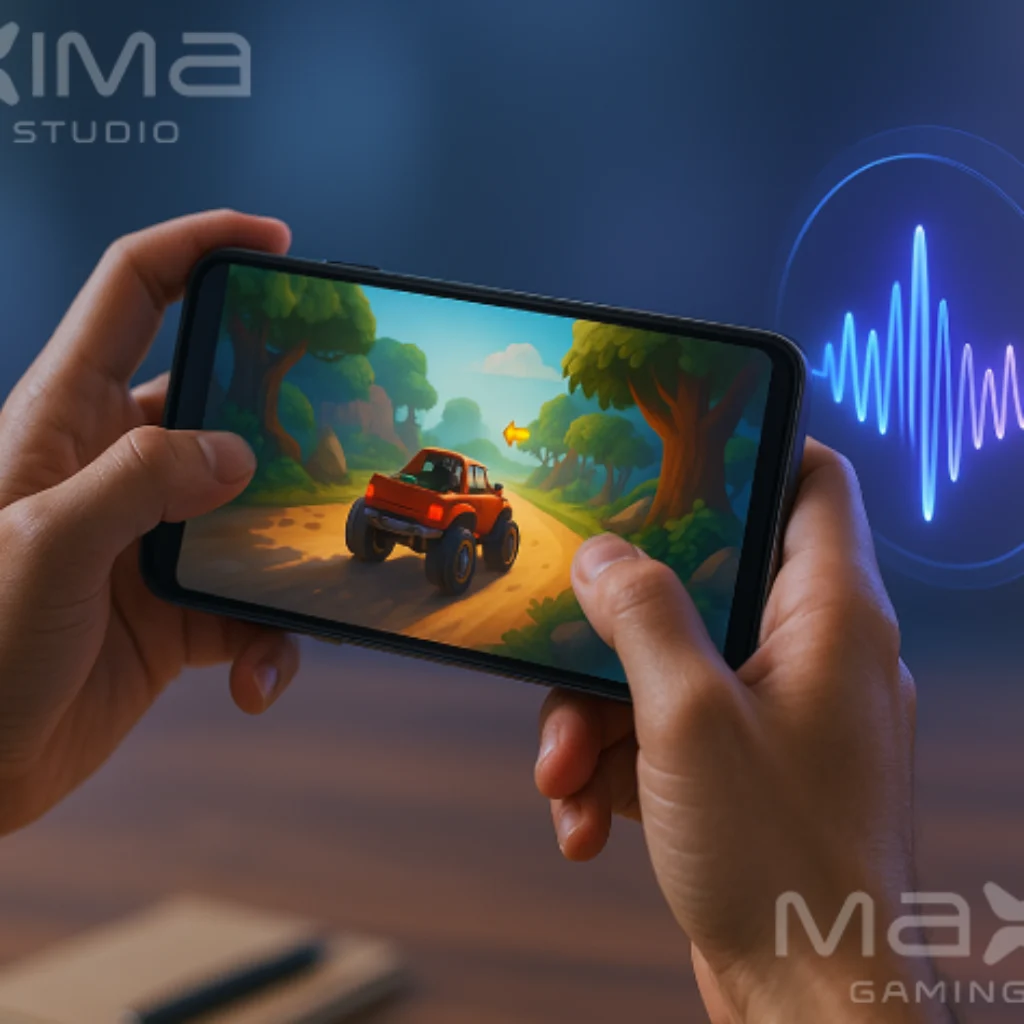
Introduction Mobile gaming has come a long way since the early days of simple taps and swipes. What started with basic touch controls has now evolved into a multi-sensory experience powered by motion sensors, haptic feedback, and even voice commands. As technology advances, game developers are reimagining how players interact with their devices — making mobile gaming more immersive, responsive, and personalized than ever before. The Era of Touch Controls When smartphones first gained popularity, touchscreens revolutionized how players interacted with games. Games like Angry Birds, Temple Run, and Fruit Ninja showed how intuitive touch mechanics could replace traditional buttons and joysticks. Key advantages of touch controls: However, as games became more complex, touch alone wasn’t enough to deliver precision or immersion. That’s when innovation stepped in. Motion Control Takes Over The introduction of gyroscopes and accelerometers in smartphones gave rise to motion-based gaming. Players could tilt, shake, and rotate their devices to control movement in games like Asphalt and Real Racing. Motion controls added a new layer of physical interactivity — turning mobile gaming into a more dynamic experience. Benefits of motion-based gameplay: This was a turning point, bridging the gap between mobile and console-style experiences. The Rise of Voice Commands With the growth of AI voice recognition, voice-based gaming is now the next frontier. Modern mobile devices can detect, interpret, and respond to player speech in real time. Imagine saying “reload,” “attack,” or “open door” — and your in-game character instantly responds. Voice technology brings a level of immersion that touch and motion can’t replicate. Why voice control matters: Some innovative developers are even integrating AI-driven NPCs that can hold conversations with players, learning and adapting to their tone or commands — making gaming feel more human than ever. The Future: AI, AR & Beyond As AI and augmented reality continue to merge with mobile gaming, the next wave of control systems will focus on natural interaction. Gesture tracking through front cameras, emotion-based responses, and hybrid input systems will redefine gameplay. We may soon see games that respond to a player’s facial expressions, movements, and even mood, creating experiences that blur the line between the virtual and real worlds. Conclusion The evolution of mobile game controls — from touch to motion and now voice — showcases how innovation continues to shape player experience. Each leap forward brings more intuitive, immersive, and emotionally engaging gameplay. With AI, sensors, and AR pushing boundaries, mobile gaming’s future isn’t just about playing — it’s about feeling the game.
Designing Emotion-Driven Game Mechanics: Making Players Feel, Not Just Play
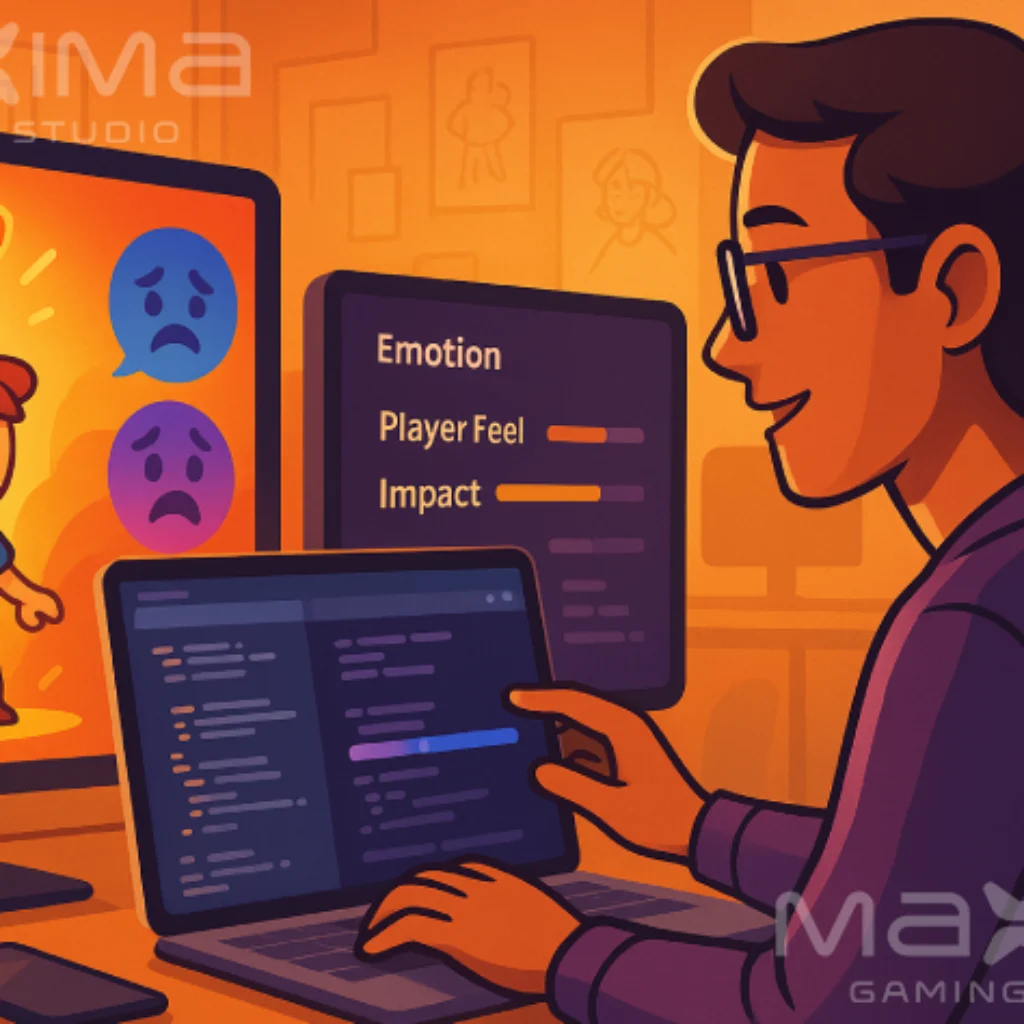
Introduction Great games don’t just entertain — they make players feel something. Whether it’s excitement, fear, joy, or sadness, the best titles create emotional connections through carefully crafted mechanics, storytelling, and player interactions. In 2025, emotion-driven game design has become a key focus for developers who aim to go beyond visuals and gameplay loops. It’s not about pressing buttons — it’s about evoking emotions that keep players engaged long after they stop playing. What Is Emotion-Driven Game Design? Emotion-driven design focuses on building mechanics and moments that make players emotionally invested in the experience. Instead of treating emotions as an afterthought, they become the core design goal. For example: This approach helps transform a game from “fun” to memorable. Mechanics That Inspire Emotions Emotion-driven games rely on more than just story — their mechanics are intentionally designed to create feelings. Examples include: 1. Choice & Consequence: Games like Life is Strange let players make decisions that shape emotional outcomes — making every choice meaningful. 2. Loss & Reward: Removing something the player values (a weapon, ally, or resource) can evoke sadness or frustration — making victory later more rewarding. 3. Pacing & Silence: Strategic use of silence or slower gameplay moments builds anticipation and tension, similar to emotional beats in film. 4. Feedback & Sound: Subtle vibrations, haptic feedback, and ambient sounds can heighten the emotional tone of any scene. The Role of Storytelling & Characters Even the best mechanics fail without believable characters or stories. Strong emotional design integrates narrative and gameplay seamlessly. When players care about what happens next, they feel connected — not just entertained. AI’s Role in Emotional Game Design Modern AI tools can now detect and respond to player emotions in real time. This kind of emotional intelligence will redefine immersion in upcoming games. Why Emotional Design Matters Players today crave more than flashy graphics — they seek meaningful experiences. Emotionally engaging games lead to: Games that make players feel tend to leave a lasting mark — encouraging them to share, replay, and recommend. Conclusion Designing emotion-driven game mechanics is about tapping into the human experience behind every action. When gameplay, visuals, sound, and story come together to stir emotion, the result is magic — players don’t just play your game; they live it. As technology evolves, the line between games and genuine emotion will continue to blur — leading to a new era where feeling becomes the ultimate gameplay mechanic.
The Next Step in AI Animation: Procedural Character Movements
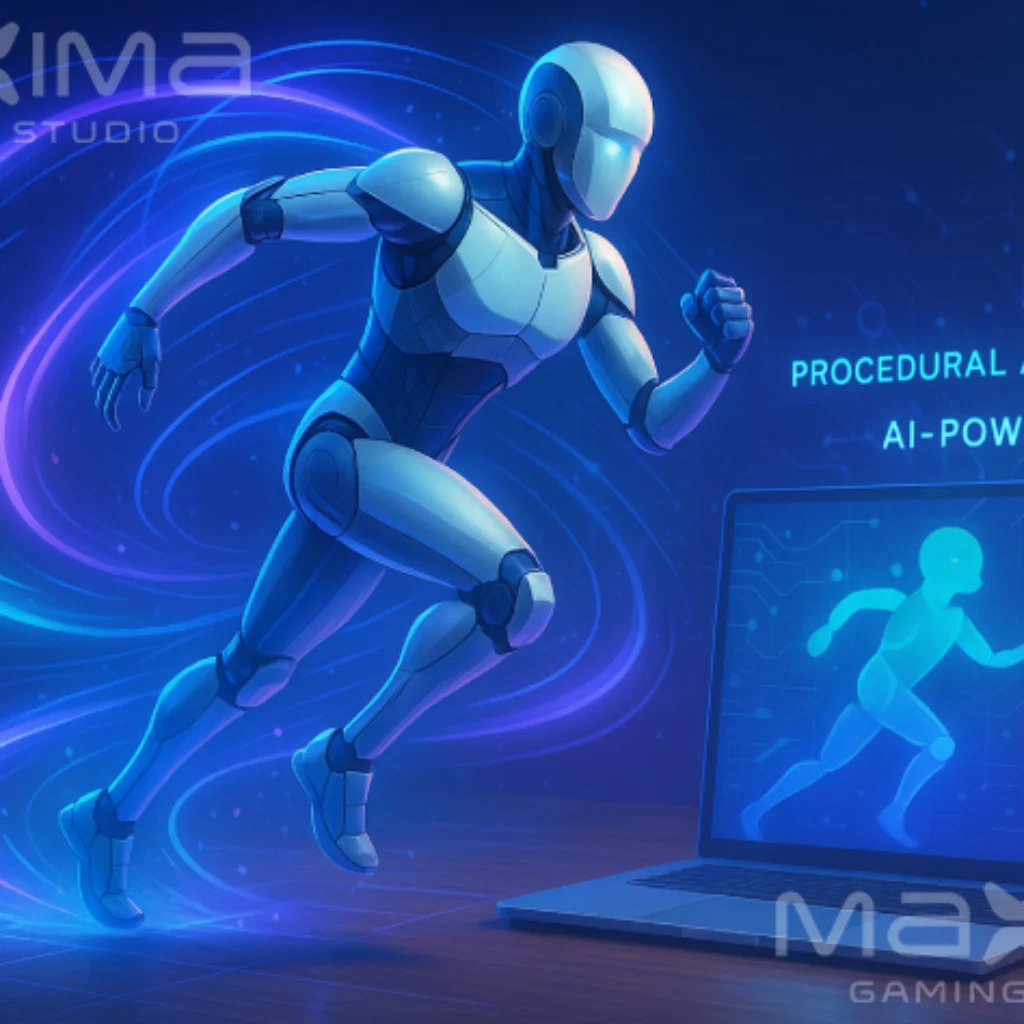
Introduction Animation has always been at the heart of immersive gaming. But as games grow larger and more complex, hand-crafting every movement becomes impossible. That’s where AI-driven procedural animation steps in — redefining how characters move, react, and adapt to the player’s world. In 2025, procedural character movement isn’t just an experimental concept — it’s becoming a standard in modern game development. What Is Procedural Animation? Procedural animation refers to real-time motion generation using algorithms rather than pre-recorded animations. Instead of relying solely on animator-made sequences, the system calculates how a character should move based on physics, terrain, and player input. For example: This creates more natural, reactive, and fluid gameplay experiences. The Role of AI in Procedural Movements AI enhances procedural animation by making it context-aware. Through machine learning, systems can predict what motion feels right for a given scenario. Some key uses include: This hybrid of physics and AI ensures every step, jump, and turn feels alive. Real-World Examples Benefits for Developers & Players For developers: For players: Procedural animation bridges the gap between motion realism and design flexibility, helping even indie studios deliver cinematic quality. The Future of AI Animation The next big step is combining AI motion synthesis with emotion-based animation systems — where a character’s movement subtly reflects mood or health. Imagine NPCs walking nervously in dark areas or celebrating dynamically after winning a fight — all generated in real time. With advances in deep reinforcement learning and motion graph AI, we’re moving toward games where animation is no longer scripted — it’s emergent. Conclusion Procedural character movement is changing the way we animate games. As AI continues to evolve, every stride, leap, and glance will adapt intelligently to the player’s world. The future of animation lies in autonomy and realism — a world where characters don’t just follow pre-set paths but move, think, and feel naturally.
Next-Gen Lighting Techniques: Real-Time Global Illumination in Games
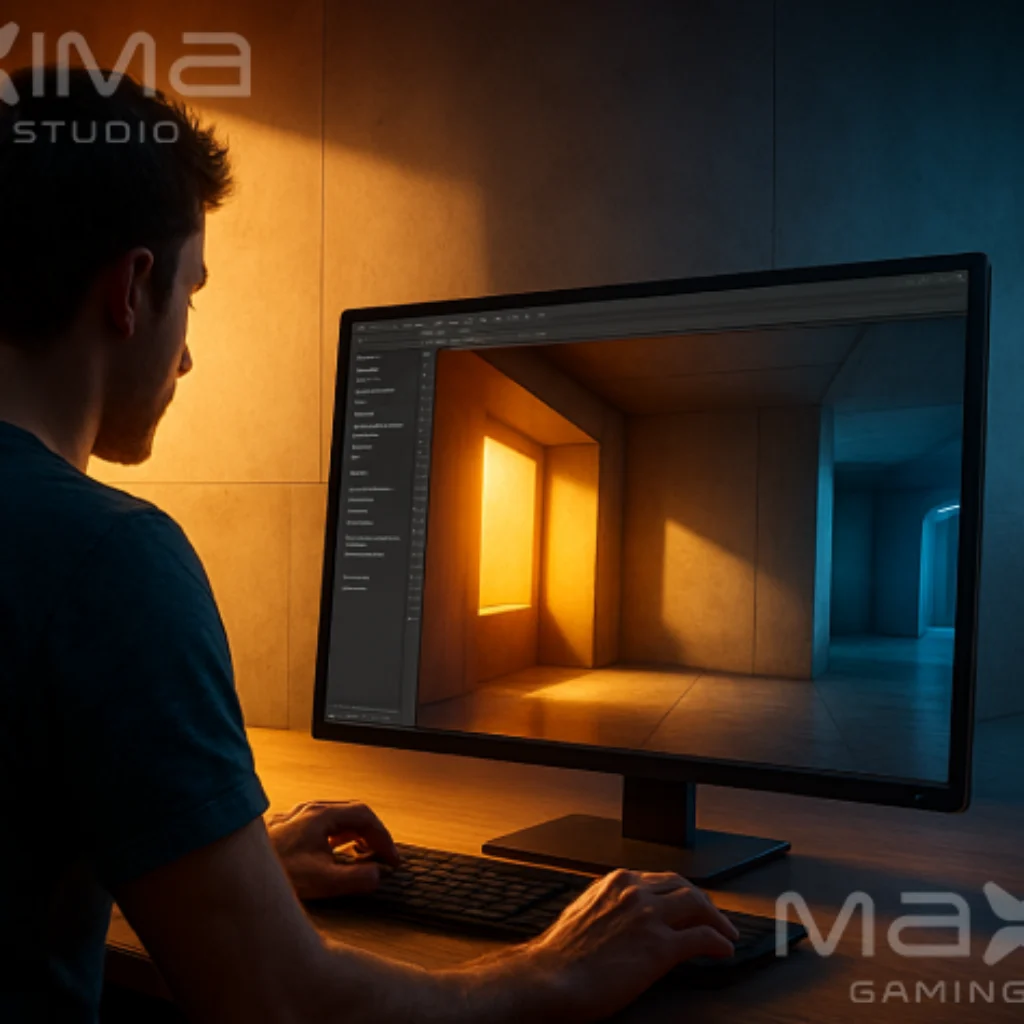
Introduction Lighting is more than just visual polish in video games — it’s what brings worlds to life. From the eerie glow of a cave torch to sunlight scattering through fog, lighting defines atmosphere, realism, and immersion. As we move deeper into the next generation of game development, Real-Time Global Illumination (GI) has become one of the most revolutionary techniques in rendering. It allows games to simulate real-world light behavior dynamically, without pre-baking or static lighting limitations. In 2025, real-time GI isn’t just a visual upgrade — it’s the new standard for immersive environments. What Is Global Illumination? Global Illumination (GI) is the process of simulating how light bounces and interacts with surfaces in a 3D environment. Traditional lighting only considers direct light sources (like lamps or the sun). GI, however, adds the indirect light — the soft bounce and reflection of light that fills a room naturally. For example: GI ensures every pixel receives light that feels physically accurate. The Shift to Real-Time Global Illumination In the past, developers relied on pre-baked lighting — a time-consuming process where light maps were calculated before gameplay. While beautiful, baked lighting couldn’t react to changes (like dynamic weather or moving objects). With real-time GI, lighting updates instantly as players move or environments change. This breakthrough became possible through AI-enhanced rendering and GPU advancements such as: These technologies calculate light behavior on the fly, creating realistic environments that feel alive and reactive. Techniques Behind Real-Time GI 1. Ray Tracing Global Illumination (RTGI) Ray tracing simulates how individual rays of light bounce off surfaces. It delivers the most accurate lighting but demands high GPU performance. Used in: Cyberpunk 2077, Fortnite, Alan Wake 2. 2. Voxel-Based GI (VXGI) Instead of calculating light per pixel, VXGI divides the world into tiny voxels (3D pixels). Light bounces are approximated within these voxels, making it more performance-friendly. Used in: NVIDIA VXGI demos, Unreal Engine 4 experiments. 3. Screen-Space Global Illumination (SSGI) This technique uses data from what’s visible on the screen to simulate indirect lighting — faster but less precise. It’s ideal for real-time applications and mid-range devices. 4. Light Propagation Volumes (LPV) LPV uses a grid-based system to calculate light diffusion across volumes, perfect for large-scale environments like open-world games. Benefits of Real-Time GI 1. Dynamic Environments: Day-night cycles, explosions, or weather changes instantly affect lighting. 2. Immersive Realism: Soft reflections, subtle color bleeding, and indirect shadows make worlds believable. 3. Faster Iteration for Developers: No need to rebake lightmaps — changes are visible immediately. 4. Cross-Platform Scalability: Modern GI solutions can scale from PC to consoles and even mobile, using adaptive quality settings. AI’s Role in Next-Gen Lighting AI is becoming crucial in predicting light behavior and optimizing real-time calculations. Neural networks can now approximate GI results with minimal processing, offering near ray-traced quality at lower performance costs. For instance: This fusion of AI + rendering marks the true evolution of lighting in interactive entertainment. Examples of Games Using Real-Time GI Each of these games demonstrates how GI transforms environments from static backdrops into living, breathing worlds. The Future of Lighting in Games The next frontier lies in AI-guided adaptive lighting — systems that understand player focus and adjust brightness, shadow, and tone accordingly. Combined with real-time global illumination, this will make every gaming experience feel uniquely personal. Future engines will rely less on baked assets and more on procedural light behavior, letting developers build massive worlds without sacrificing realism or performance. Conclusion Real-time global illumination isn’t just a technical feature — it’s a storytelling tool. It sets mood, guides emotion, and connects players to the world around them. As hardware evolves and AI continues to assist rendering, every beam of light will tell a story — illuminating not just spaces, but emotions.
How Indian Mythology Is Inspiring a New Generation of Mobile Games
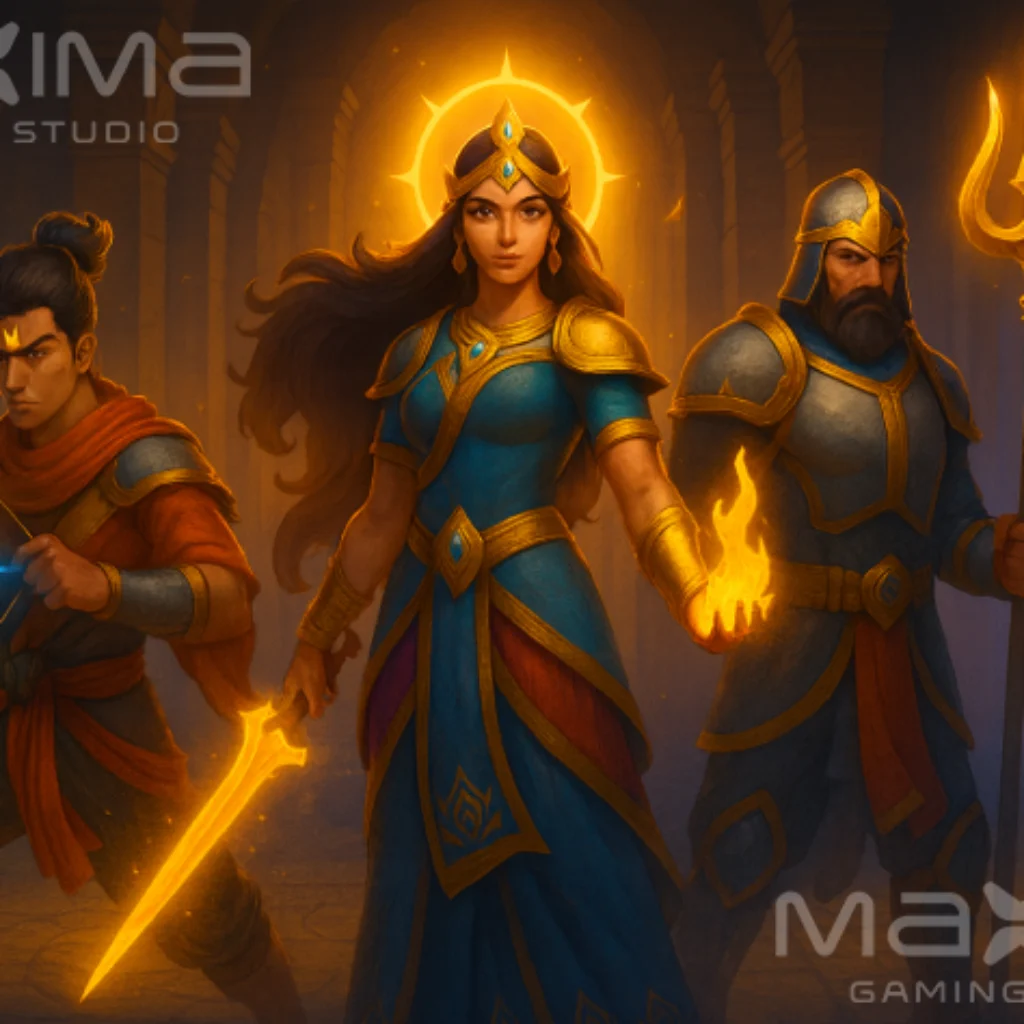
Introduction Indian mythology has always been a treasure of powerful gods, epic battles, mystical creatures, and timeless stories. For decades, these tales existed mostly in books, television serials, and traditional art forms. But now, in 2025, a new wave of mobile games is reimagining Indian mythology for young players — turning ancient legends into interactive, playable adventures. From Rama’s bow to Krishna’s divine abilities, from the Mahabharata’s war strategies to stories of Asuras and Devtas — mythology is becoming the foundation of modern gameplay mechanics, character design, storytelling, and worldbuilding. Let’s explore how Indian mythology is inspiring this new era of mobile gaming. 1. Mythology as a Source of Rich Worldbuilding Indian mythology is filled with fantasy elements that naturally fit into game design: Game developers use these settings to build immersive worlds without needing to invent everything from scratch. These ancient universes already come with deep lore, powerful symbolism, and cultural familiarity that players instantly connect with. 2. Characters Inspired by Gods & Heroes Modern myth-inspired games don’t just copy characters — they reinterpret them. For example: Instead of using the religious form directly, developers create mythologically influenced heroes to maintain respect while offering creative freedom. 3. Epic Battles Turned Into Gameplay Mechanics Indian mythology is full of dramatic confrontations — perfect for action and strategy games. Examples developers draw from: These stories naturally translate into quests, missions, and boss-level challenges. 4. Art Styles Inspired by Traditional Indian Culture Visual design in Indian-mythology games often includes: This creates a unique visual identity that stands out from Western and East-Asian game art. 5. Why Players Love Mythology-Based Games Cultural Connection Indian players love seeing familiar stories and heroes in an interactive form. Fresh & Unique Themes Most mobile games follow Western tropes — mythology adds originality. Emotional Engagement Players relate emotionally to characters and arcs they grew up hearing. Educational Value Games subtly teach mythology without feeling like a textbook. 6. Successful Indian Mythology Games Changing the Industry Some recent titles leading the trend include: Even global studios are now exploring Indian myth-based storylines. 7. The Role of AI in Reimagining Mythology AI tools help developers: With AI, mythological games can now grow richer, deeper, and more personalized. 8. The Future of Indian Mythology in Mobile Gaming Over the next few years, we can expect: Indian mythology is no longer just a cultural memory — it’s becoming a global entertainment powerhouse. Conclusion Indian mythology is shaping a new generation of mobile games by merging ancient stories with modern technology. These games are not just fun; they preserve culture, inspire creativity, and offer players a deeper emotional experience. With its limitless lore and iconic characters, Indian mythology is set to become one of the biggest creative pillars in the future of mobile gaming.